Key Takeaway
WaterSense is the EPA label for fixtures that use less water without performing worse. A WaterSense showerhead uses no more than 2.0 gallons per minute against a standard 2.5, and a WaterSense bathroom faucet uses a maximum of 1.5 gallons per minute against a standard 2.2. EPA estimates the average family could save 2,700 gallons a year with WaterSense showerheads and 700 gallons a year with WaterSense bathroom faucets and aerators, plus the energy to heat that water. Most swaps are short jobs, but old shutoff valves and corroded connections are where they go wrong. SKS Plumbing is open 7 days, 8am to 9pm. Call (503) 319-9348.
A WaterSense faucet or showerhead is one the EPA has certified to use less water without performing worse, and for most Hillsboro homes the upgrade is worth doing when a fixture is due for replacement anyway. A WaterSense showerhead uses no more than 2.0 gallons per minute against a standard 2.5, and a WaterSense bathroom faucet uses 1.5 against a standard 2.2.
That is the short answer. Below is what the label actually guarantees, what EPA says the savings are, and what to watch for when the old fixture comes off.
What the WaterSense Label Means
WaterSense is a labelling program run by the U.S. Environmental Protection Agency. A product carries the label only if it meets EPA's criteria for both water use and performance, so the label is not just a flow restrictor stuck on a cheap fixture.
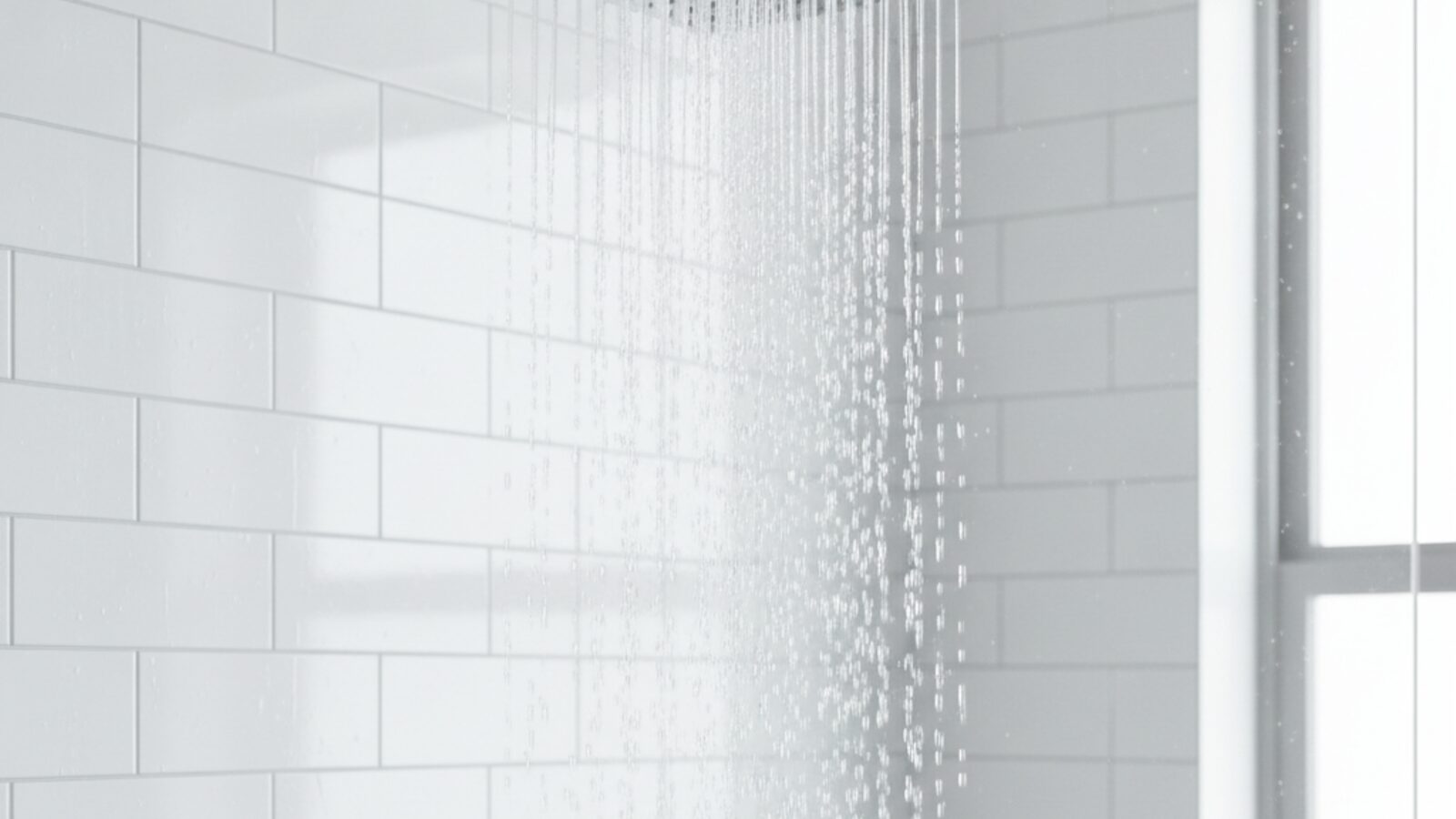
For showerheads, EPA puts it plainly: "standard showerheads use 2.5 gallons of water per minute (gpm)" and "Water-saving showerheads that earn the WaterSense label must demonstrate that they use no more than 2.0 gpm." It adds that the label "also ensures that these products provide a satisfactory shower that is equal to or better than conventional showerheads on the market." (EPA WaterSense, Showerheads)
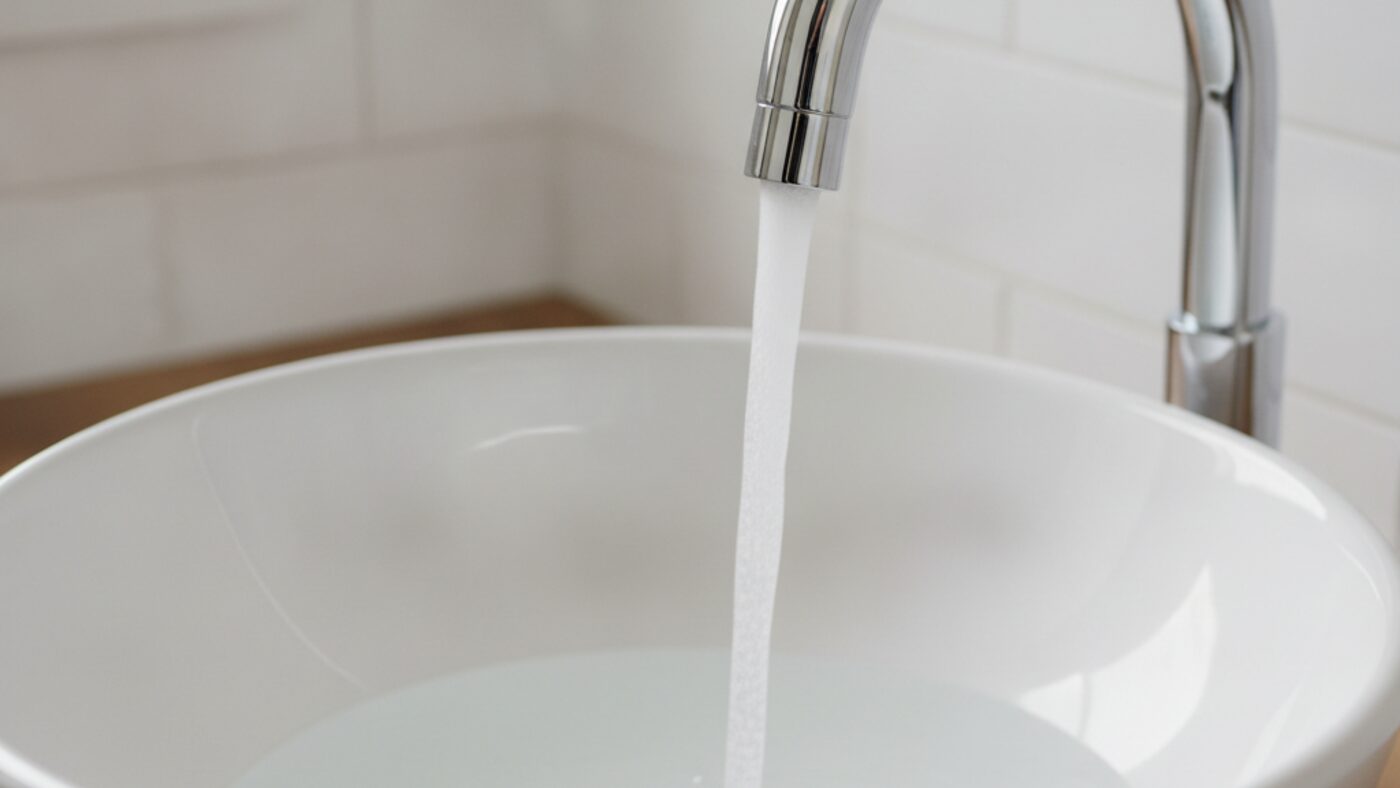
For bathroom sinks, EPA says "WaterSense labeled bathroom sink faucets and accessories that use a maximum of 1.5 gallons per minute can reduce a sink's water flow by 30 percent or more from the standard flow of 2.2 gallons per minute without sacrificing performance." (EPA WaterSense, Bathroom Faucets)
Note the word "accessories". The program covers aerators as well as whole faucets, which matters for the cost of the upgrade.
What EPA Says You Save
The savings numbers come straight from EPA:
- Showerheads: "The average family could save 2,700 gallons per year by installing WaterSense labeled showerheads."
- Bathroom faucets: "Replacing old, inefficient faucets and aerators with WaterSense labeled models can save the average family 700 gallons of water per year."
There is a second saving that is easy to miss. Most of the water through a showerhead is hot, so using less of it means the water heater runs less. EPA estimates "the average family could save more than 330 kilowatt hours of electricity annually" from WaterSense showerheads alone.
Those are averages. A household with teenagers and long showers will save more than a retired couple. The point is that the saving happens every day, for as long as the fixture is in.
Aerator, Faucet or Showerhead: Where to Start
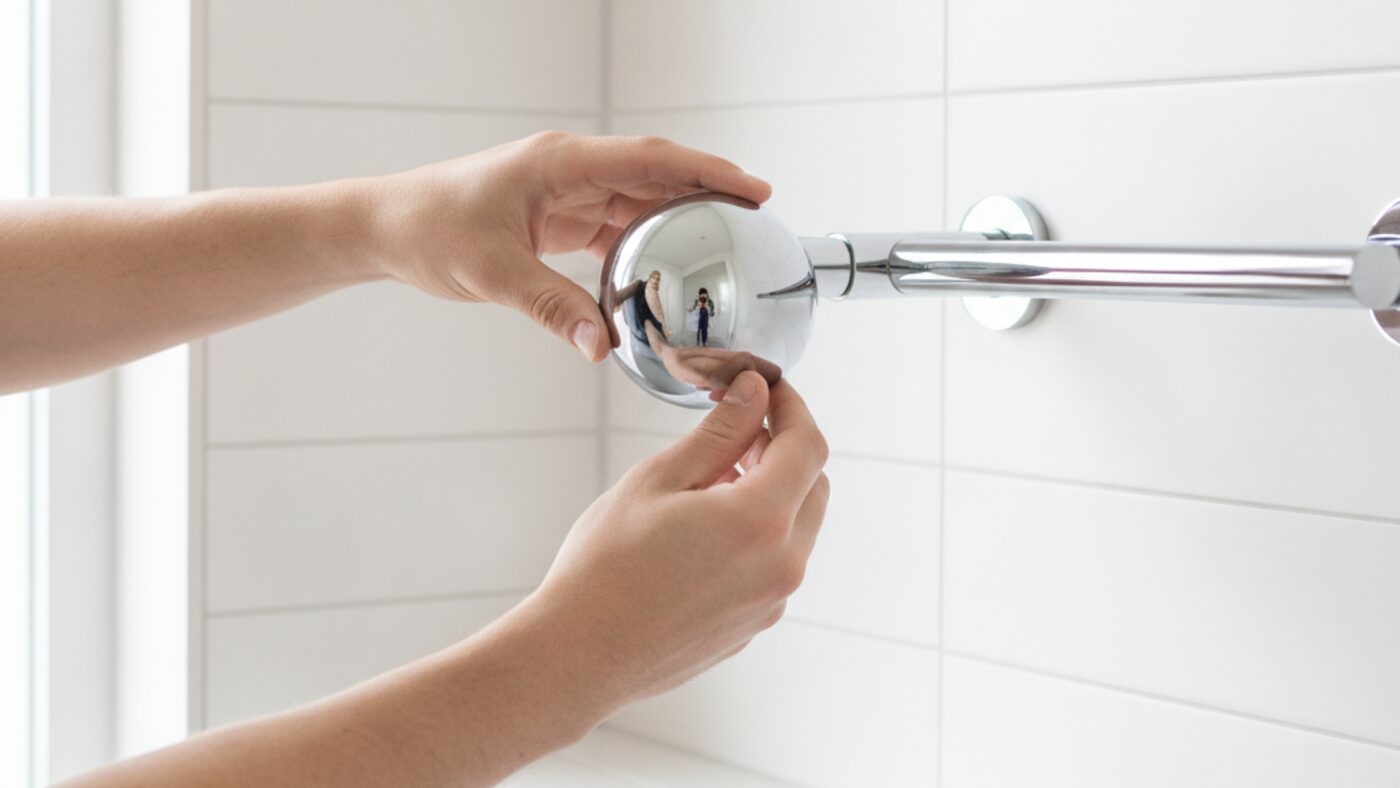
Start with the showerhead. It carries the largest saving per fixture, and on most showers it is a simple swap with no wall work.
Then look at the bathroom faucets. If a faucet works well and looks fine, a WaterSense aerator is the cheapest step. If it drips, has a stiff handle or a worn finish, replace the faucet and get the efficiency as part of the upgrade.
Kitchen faucets are different. EPA's WaterSense faucet criteria cover bathroom sink and bar sink faucets. A kitchen faucet needs to fill pots, so pick one for how you use it.
Toilets carry the WaterSense label too. If yours keeps running rather than needing replacement, our guide to why a toilet keeps running covers the parts that usually fail.
Where a Simple Swap Goes Wrong
Changing a showerhead or an aerator is well within reach of most homeowners. Changing a whole faucet is where small jobs grow, and the reason is almost always what sits under the sink.
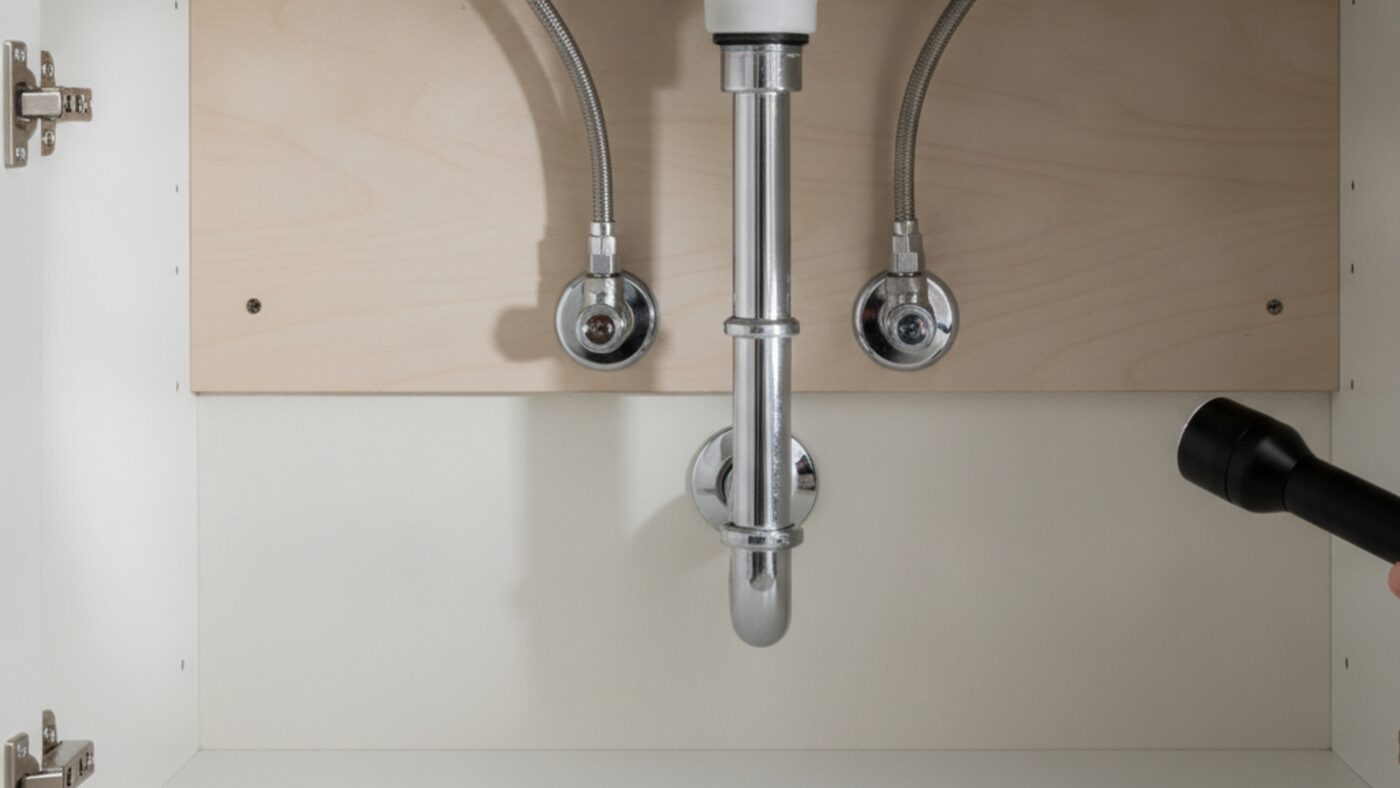
In many Hillsboro homes built in the 1990s and 2000s, the original builder-grade fixtures are now wearing out, and so are the angle stops underneath them. An angle stop that has not been turned in twenty years may not close fully, or may start weeping the moment it is disturbed. Supply lines can be brittle. Mounting nuts can be seized onto the old faucet body.
That is why we check shutoff valves on every fixture installation. If a valve is corroded or will not close, it is far cheaper to replace it while the cabinet is already open than to deal with it later as a leak.
Check for a Rebate First
EPA notes that "In many areas, utilities offer rebates and vouchers that can lower the price." Before buying, check with the water provider named on your bill. Programs change, so ask what is available at your address today.
Getting It Done
If you are replacing one showerhead, do it yourself. If you are replacing faucets across a bathroom, or the valves under the sink look old, that is a good time to have it done in one visit.
SKS Plumbing installs faucets, showerheads, toilets and sinks across Hillsboro, Beaverton, Tigard and the rest of Washington County, with every connection tested for leaks before we leave. For a larger refresh, see our bathroom plumbing service. We are open seven days a week, 8am to 9pm. Call (503) 319-9348 or get in touch here.
Frequently Asked Questions
It is an EPA program that labels fixtures meeting its water-efficiency and performance criteria. For showerheads, EPA says labelled models must use no more than 2.0 gallons per minute and provide a shower equal to or better than conventional showerheads. For bathroom sink faucets and accessories, the maximum is 1.5 gallons per minute.
EPA estimates the average family could save 2,700 gallons per year by installing WaterSense labelled showerheads. Because less hot water is used, EPA also says the average family could save more than 330 kilowatt hours of electricity a year.
WaterSense-labelled showerheads have to meet a performance requirement as well as a flow limit. EPA states the label ensures they provide a satisfactory shower equal to or better than conventional showerheads. Spray pattern still varies between models, so it is worth choosing one you have seen or tried.
Often, yes. EPA's WaterSense program covers faucet accessories such as aerators as well as complete faucets. If the faucet itself is in good condition, a WaterSense aerator is the cheapest way to cut its flow. If the faucet drips, has a worn cartridge or a damaged finish, replacing it makes more sense.
Sometimes. EPA notes that in many areas, utilities offer rebates and vouchers that can lower the price. Check with the water provider named on your bill before you buy.