
Key Takeaway
When a sump pump cannot keep up, the cause is usually one of five things: a stuck or fouled float switch, a failed check valve letting water fall back into the pit, a blocked or frozen discharge line, a worn-out pump, or a pump that is too small for the water coming in. The first three are often repairs. A pump that is old, corroded, noisy or burning out is a replacement, and SKS Plumbing typically replaces one in 1.5 to 2.5 hours. Act quickly: EPA advises drying water-damaged areas within 24 to 48 hours to prevent mold growth. SKS Plumbing is open 7 days, 8am to 9pm. Call (503) 319-9348.
A sump pump that cannot keep up usually has one of five problems: a stuck float switch, a failed check valve, a blocked or frozen discharge line, a worn-out pump, or a pump that is too small for the water reaching it. The first three are often repairs; the last two mean a new pump, ideally fitted before the heaviest rain arrives.
In Hillsboro and the rest of Washington County, the rainy season runs from October into spring, and crawl spaces with sump pits depend on that pump for months at a time. A failure in November is far more expensive than a fix in October.
What "Not Keeping Up" Looks Like
Each symptom points somewhere different, so it is worth noting exactly what you see:
- Water rising in the pit with the pump silent. Power, float switch or motor.
- The pump runs nonstop and the water level barely moves. Check valve, discharge line, intake screen or a worn impeller.
- The pump switches on and off every few seconds. Float switch set too tight, or a check valve letting the same water fall back into the pit.
- It keeps up in light rain but loses in a downpour. Often an undersized or tired pump.
- Loud grinding, rattling or a burning smell. A pump near the end of its life.
The Five Usual Causes
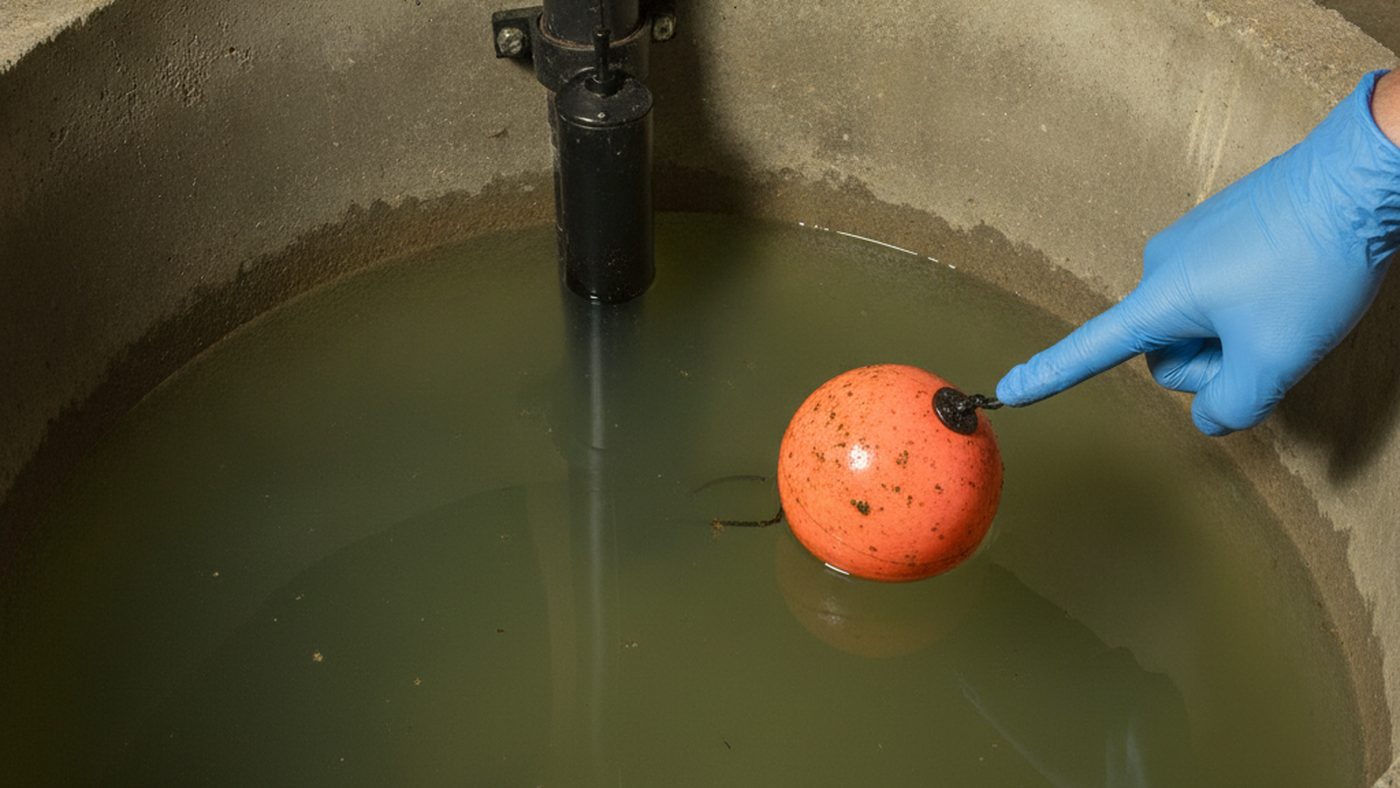
1. The float switch. The float tells the pump when to start and stop. It can catch on the pit wall or its own power cord, or get coated in silt so it sticks. A stuck-up float runs the pump dry; a stuck-down float never starts it.
2. The check valve. This one-way valve on the discharge pipe stops pumped water from draining back into the pit. When it fails, the pump empties the pit, the water falls back, and the pump runs again. You can sometimes hear it: a thud or a gush of water right after the pump shuts off.
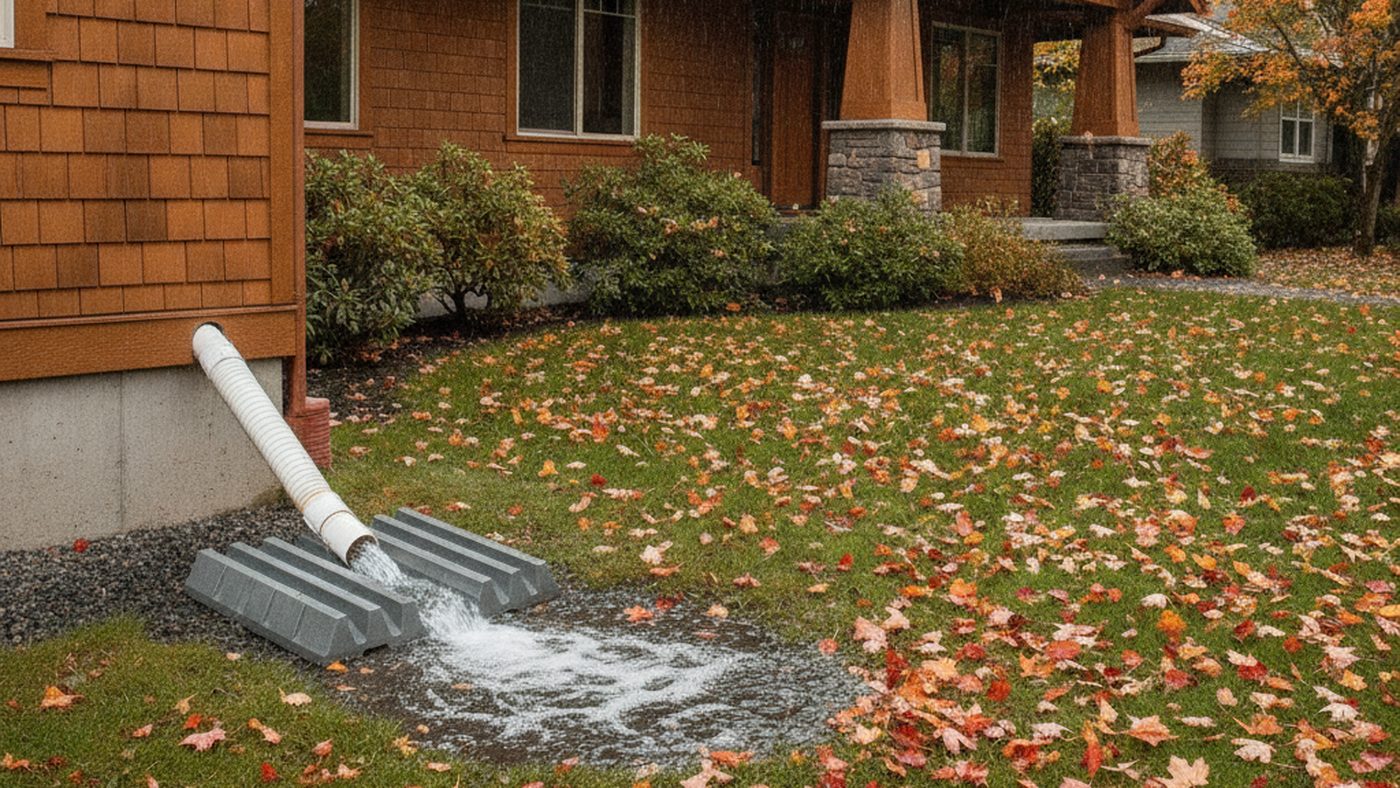
3. The discharge line. If the pipe that carries water outside is crushed, clogged with debris, or frozen at the outlet during a cold snap, the pump has nowhere to send the water. It also matters where it ends: a discharge that dumps water against the foundation just sends it back to the pit.
4. A worn-out pump. Sump pumps typically last 7 to 10 years. Visible rust, noise, and a pump that runs longer than it used to for the same rain are the usual warning signs.
5. A pump that is too small. Some crawl spaces simply take on more water than the original pump was sized for, especially where the water table is high and the soil is heavy clay. Nothing is broken; the pump is just outmatched.
What You Can Check Safely
Unplug the pump before touching anything in the pit. Then:
- Look at the float. Is it free to move, and clear of the cord and the pit wall?
- Clear leaves and debris from the pit and the intake screen.
- Walk outside and check the discharge outlet. Is it clear, unfrozen, and sending water away from the house?
- Plug the pump back in and pour a bucket of water into the pit. It should start, empty the pit and shut off cleanly.
Our fall plumbing checklist explains why that last step, testing with real water, matters more than lifting the float by hand.
Repair or Replace?
Repair makes sense when the pump itself is sound and the fault is a component: a float switch, a check valve, a clogged intake or a discharge line that needs rerouting.
Replace when the pump is old, corroded, noisy or burning out, when the motor has failed, or when a working pump is clearly too small for the water it faces. Replacing a pump is also the right time to fix a poor discharge route and fit a new check valve.
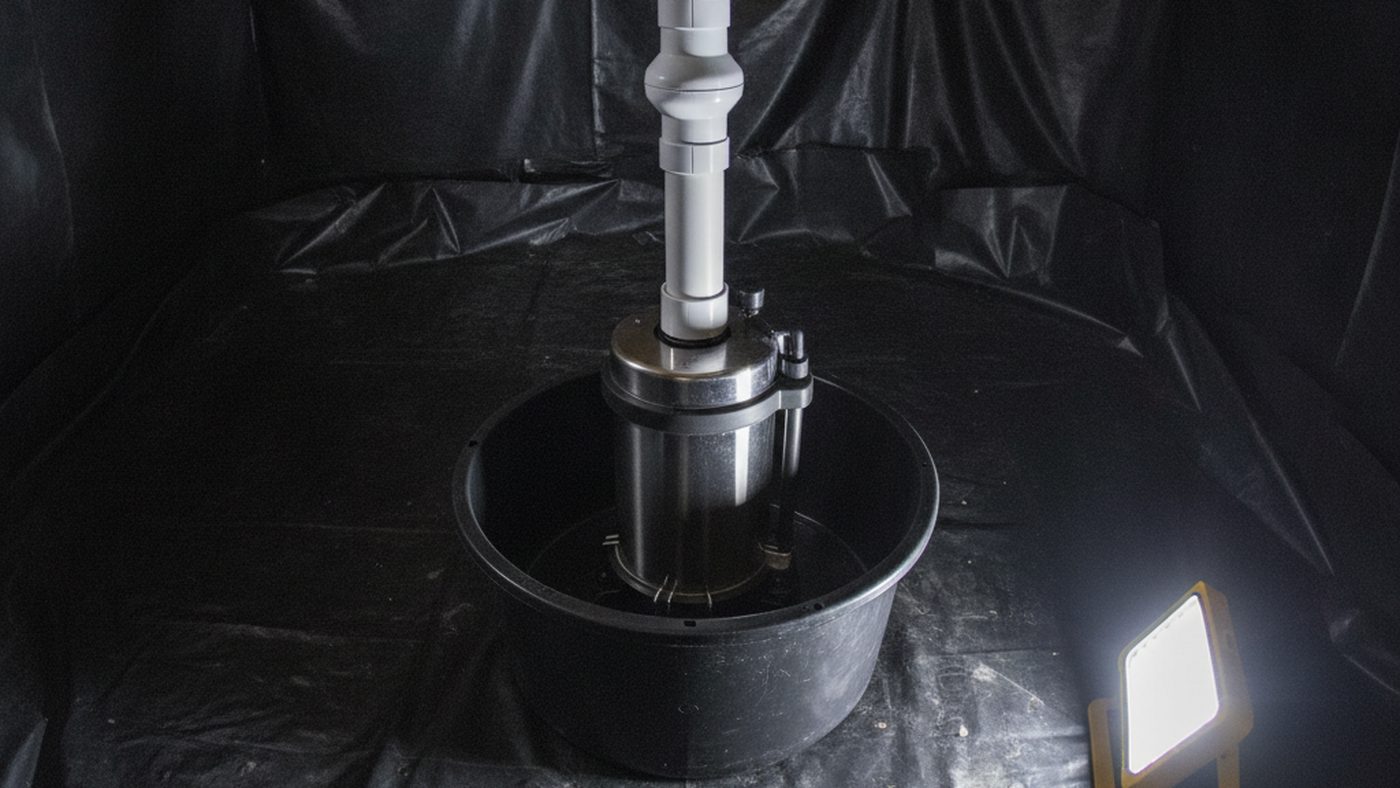
When SKS Plumbing replaces a sump pump, we remove the failed pump, clean the pit, set the new pump at the correct height, connect the discharge line, test the float switch and confirm the water is routed away from the foundation. A straightforward replacement typically takes 1.5 to 2.5 hours.
Do Not Leave a Wet Crawl Space Waiting
Standing water under a house does more than smell. EPA's guidance on mold is direct: "It is important to dry water-damaged areas and items within 24-48 hours to prevent mold growth." (EPA, A Brief Guide to Mold, Moisture and Your Home) A pump that quits on a Friday night in a week of rain can easily put a crawl space past that window.
If the water is coming from a plumbing leak rather than groundwater, the pump is only treating the symptom; our leak detection service finds the source.
SKS Plumbing repairs and replaces sump pumps as part of our outdoor plumbing service across Hillsboro, Forest Grove, North Plains, Banks, Beaverton and the rest of Washington County. We are open seven days a week, 8am to 9pm. If the pit is filling now, call (503) 319-9348, or book a visit here before the next storm.
Frequently Asked Questions
The most common causes are a check valve that has failed and lets pumped water fall back into the pit, a discharge line that is blocked or frozen, a clogged intake screen, or a worn impeller. If the pump hums but moves little water, the motor or impeller is often at the end of its life.
A pump that never shuts off usually has a float switch stuck in the up position, a failed check valve cycling the same water, or more incoming groundwater than it can handle. A pump that is undersized for the site will run nonstop during heavy rain even when nothing is broken.
Sump pumps typically last 7 to 10 years. Age alone is a reason to plan a replacement before the rainy season rather than during it, especially if the pump is noisy, corroded or cycling more than it used to.
Often you can free a float that is caught on the pit wall or the power cord, and clean silt off the switch. Unplug the pump first. If the switch itself has failed, or the pump does not start when the pit fills, it needs a new switch or a new pump.
For SKS Plumbing, a straightforward sump pump replacement typically takes 1.5 to 2.5 hours. That includes removing the old pump, cleaning the pit, setting the new pump at the right height, connecting the discharge line and testing the float switch.