
Key Takeaway
Oregon has two routes for permitting plumbing work: a full plumbing permit, and a streamlined option called a minor label. Minor labels are sold to licensed contractors in lots of 10 for $140 including surcharges, are valid for one year, and include the inspection fee for one inspection. They cover small, self-contained jobs, but the Building Codes Division publishes an explicit exclusion list: no new construction, no underground installations, no cross-connection control devices, no ADA accessibility retrofit, and nothing requiring a cover inspection or plan review. A remodel that opens walls, moves drainage or adds fixtures falls outside the minor label and needs a full permit with inspections. Confirm requirements with your local permitting centre. SKS Plumbing is open 7 days, 8am to 9pm — call (503) 319-9348.
Every remodel reaches the same question at about the same moment: does this need a
permit? The answers people get are usually vague, because most remodel advice online is
written for no particular state. Oregon is specific, and it has a permitting route that
a lot of homeowners have never heard of.
It is called a minor label, and understanding where it stops is the fastest way to
work out what your project actually needs.
Two Routes, Not One
Oregon plumbing work can be permitted two ways.
A full plumbing permit is the familiar one: an application, a fee based on the
scope, and inspections at defined stages — including before anything is covered up.
A minor label is the streamlined route for small, self-contained jobs. Instead of
applying each time, a licensed contractor buys labels in advance and applies one to the
job. The Oregon Building Codes Division sells them in lots of ten: **"Labels are sold in
lots of 10 at a cost of $140 (including surcharges), and are valid for one year from
the date of purchase. This also includes the inspection fee for one inspection."**
That last clause matters. A minor label is not a way to skip inspection. It is a way to
pre-pay for one.
Who Can Use One
Minor labels are a contractor tool, not a homeowner shortcut.
They are available to contractors holding a valid CCB licence and the appropriate
plumbing contractor licences, and the individual doing the work has to hold the
appropriate individual plumbing licence. The Building Codes Division is blunt about one
limit in particular: **"A plumbing apprentice is not permitted to perform work under a
minor label."**
There is also a licensing wrinkle worth knowing if your remodel includes appliances.
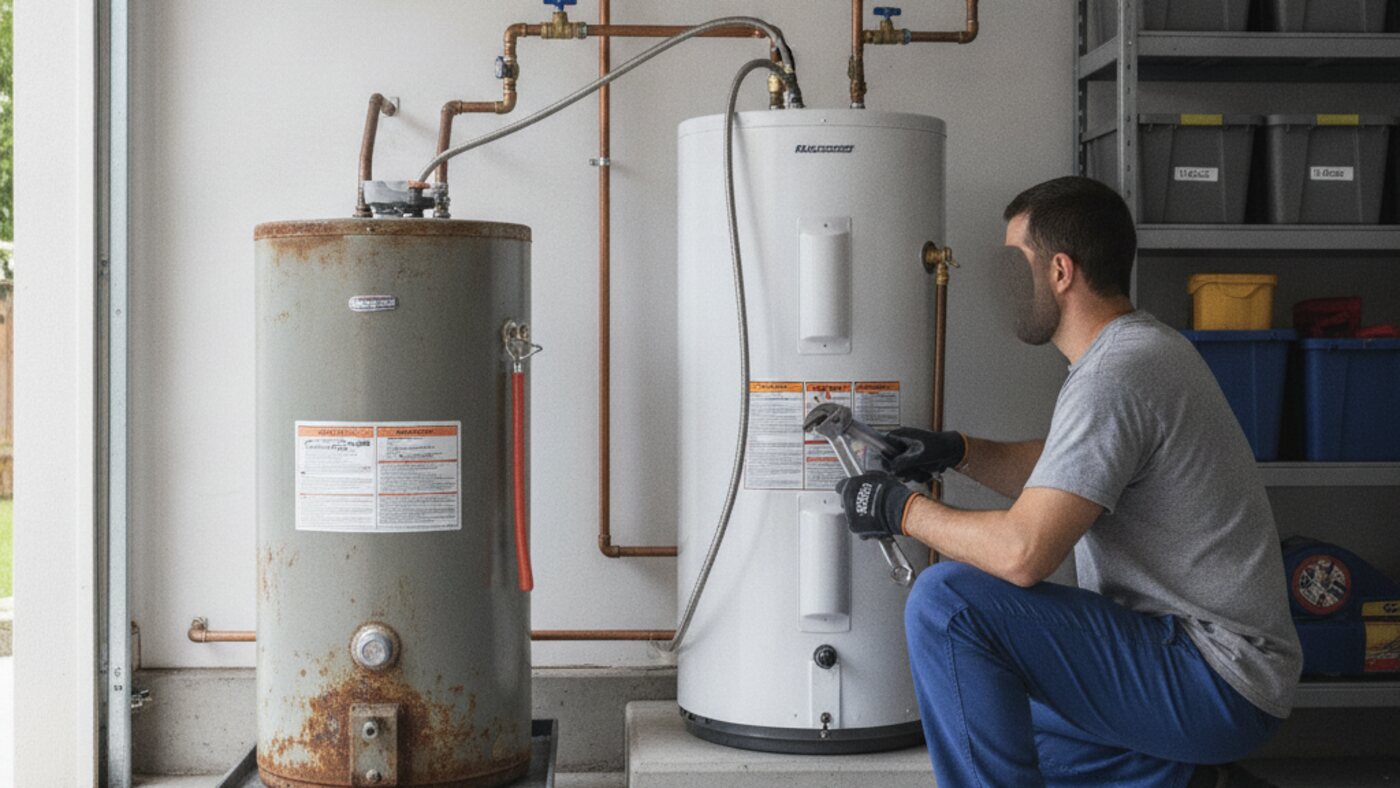
Per the division, **"Contractors installing electric water heaters, dishwashers or
garbage disposals must have a Plumbing Business (PB) license and either a Limited
Maintenance Specialty Contractor (LMS) license or Limited Maintenance Specialty
Contractor HVAC/R (LHR)."**
If you are doing the work yourself, none of this applies to you and you are on a
different route — ask your local building department what a homeowner permit involves
before you start, not after.
The Exclusion List Is the Useful Part
This is the bit worth reading closely, because it tells you exactly where a small job
becomes a permitted project. The Building Codes Division publishes it plainly.
Contractors are not permitted to use plumbing minor labels for any of the
following:
- Cross-connection control devices
- New construction
- ADA accessibility retrofit
- Underground installations
- Installations requiring a cover inspection, or plan review
- Work on fire-extinguishing or smoke evacuation systems
- Chemical or industrial liquid waste and vent piping
- Combination waste and vent systems
Read that list against a typical remodel and the line draws itself.
"New construction" takes out an addition or an ADU immediately. **"Underground
installations"** takes out anything that involves the buried lateral or a new drain run
under a slab. And "installations requiring a cover inspection" is the one that
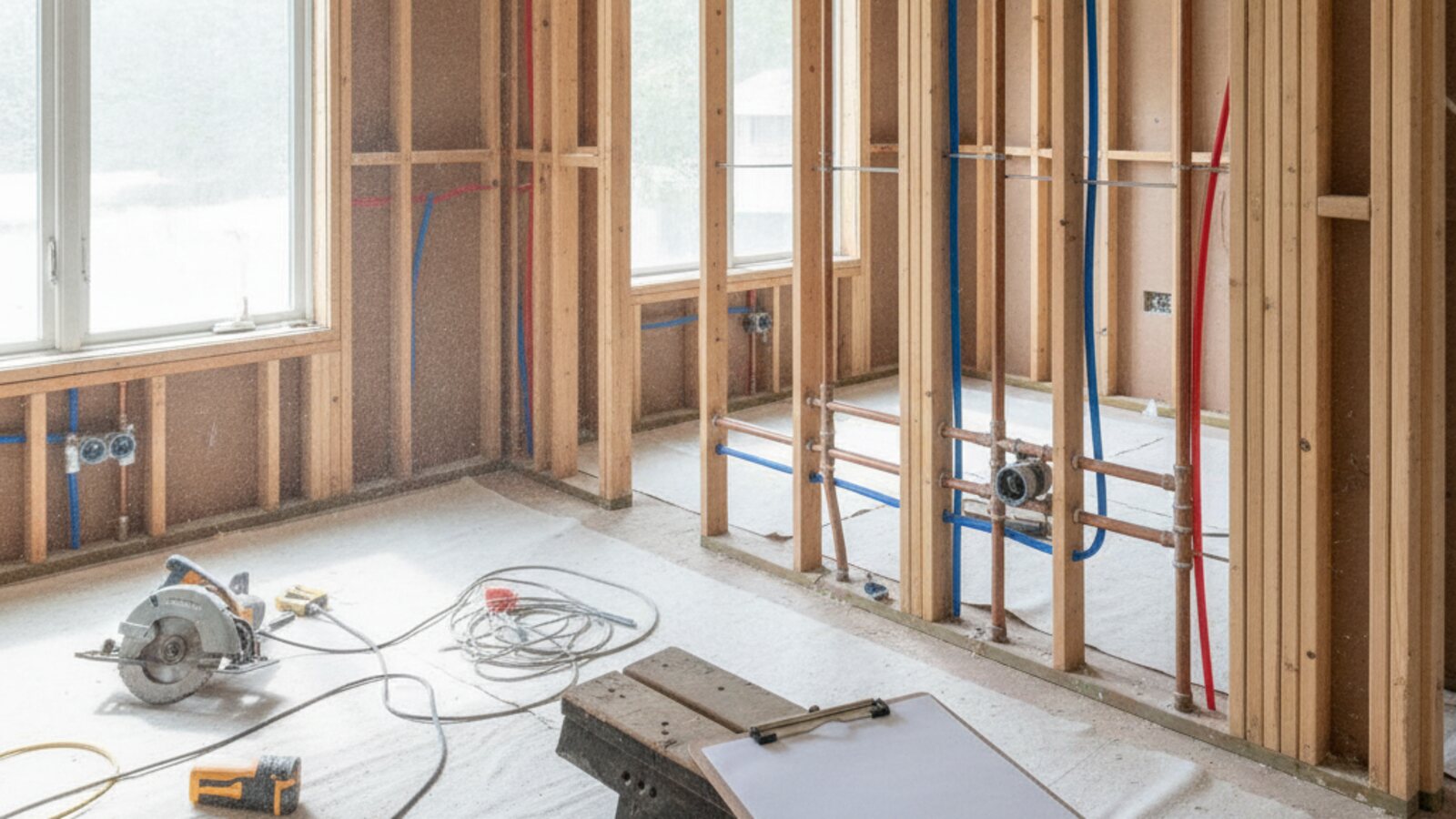
catches most bathroom and kitchen remodels, because the moment you open a wall and run
new pipe inside it, that pipe has to be seen by an inspector before the drywall goes
back on.
So What Does That Mean for Your Project?
A rough way to think about it, before you confirm with the permitting centre:
Likely minor-label scale. Swapping a faucet, replacing a toilet in the same
position, changing out a garbage disposal, replacing a water heater like for like.
Nothing concealed, nothing moved, nothing new.
Likely a full permit. Moving a toilet or shower drain even a short distance. Adding
a second bathroom. Converting a garage or basement into living space. Anything where
walls or floors open up and new pipe is run inside them. Anything underground.
Definitely a full permit. An addition or an ADU — that is new construction, and it
is on the exclusion list by name.
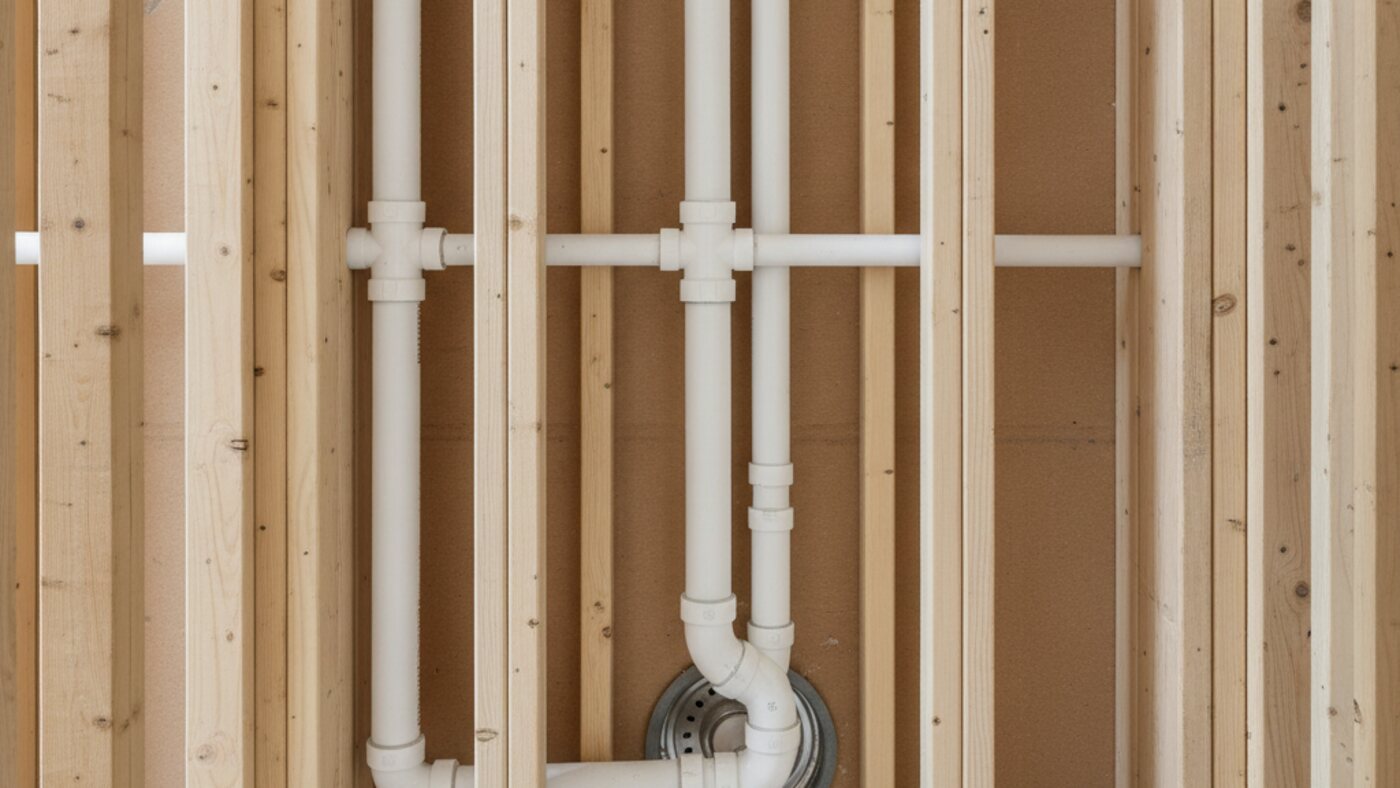
Most bathroom plumbing remodels land in the middle
category as soon as the layout changes, because a relocated drain has to be inspected
before it is covered. A straight
fixture installation in the existing position is a
much smaller piece of work.
Why It Is Worth Getting Right
Unpermitted plumbing work does not usually cause trouble on the day. It causes trouble
later — when the house sells and the work shows up as undocumented, or when a claim
turns on whether the work was permitted and inspected.
There is also the practical argument. A cover inspection exists because concealed pipe
is the hardest thing to fix once it is buried behind finished surfaces. Having someone
look at a drain's slope and the vent arrangement while it is still visible is the
cheapest quality control in the whole project.
Ask who is pulling the permit before work starts. When you hire a licensed contractor
it is their responsibility, and it should be stated in the quote rather than assumed.
Confirm Locally Before You Commit
One caution: the minor label programme is a state programme, and the scope and
exclusions above come straight from the Oregon Building Codes Division. What your
specific project needs is confirmed by whichever jurisdiction issues your permit — in
Hillsboro that is the City's Permitting Center, and requirements and review times vary
by jurisdiction and by project.
Do not take a blog post, including this one, as the final word on your permit. Take it
as the questions to walk in with.
Talk It Through First
If you are planning a remodel or an addition and want to know what the plumbing side
actually involves before you commit to a layout, that is a conversation worth having
early. Moving a drain two feet on a drawing costs nothing; moving it after the
tile is down costs a great deal.
SKS Plumbing handles
plumbing for remodels and home additions
across Hillsboro and the wider Portland metro. We are open seven days a week, 8am to
9pm — call (503) 319-9348 or get in touch here.
Frequently Asked Questions
It is a streamlined permit for small plumbing jobs. Rather than applying for a full permit each time, a licensed plumbing contractor buys minor labels in advance and applies one to the job. The Oregon Building Codes Division sells them in lots of 10 for $140 including surcharges. They are valid for one year from the date of purchase, and that price also includes the inspection fee for one inspection.
No. Minor labels are issued to contractors who hold a valid CCB licence and the appropriate plumbing contractor licences, and the individual doing the work must hold the appropriate individual plumbing licence. The Building Codes Division is explicit that a plumbing apprentice is not permitted to perform work under a minor label. A homeowner doing their own work is on a different route and should ask their local building department what applies.
The Building Codes Division publishes the exclusions. Contractors are not permitted to use plumbing minor labels for cross-connection control devices, new construction, ADA accessibility retrofit, underground installations, installations requiring a cover inspection or plan review, work on fire-extinguishing or smoke evacuation systems, chemical or industrial liquid waste and vent piping, or combination waste and vent systems.
Usually yes, once you go past swapping fixtures in place. Opening walls, relocating a toilet or shower drain, or adding a fixture means concealed work that has to be inspected before it is covered up, and anything requiring a cover inspection is outside the minor label scope. Replacing a faucet or a toilet in the same position is a much smaller piece of work. Your local permitting centre is the authority on which applies to your project.
The person performing the work is responsible for obtaining the necessary permits. When you hire a licensed plumbing contractor, that is the contractor's job, and it should be clear in the quote. It is a fair question to ask before work starts, because unpermitted plumbing work can surface later during a sale or an insurance claim.
Yes. The Building Codes Division states that contractors installing electric water heaters, dishwashers or garbage disposals must have a Plumbing Business licence and either a Limited Maintenance Specialty Contractor licence or a Limited Maintenance Specialty Contractor HVAC/R licence. It is worth knowing that these appliance installs carry their own licensing rules.